
Montessori vs. Traditional Preschool: What Elkhorn, NE Parents Need to Know in 2026
Choosing a preschool is one of the most important decisions Elkhorn, NE, parents will make. For families exploring Montessori education in Elkhorn NE, understanding how these two approaches differ can save a lot of confusion and second-guessing. This guide breaks down the core differences in teaching style, classroom setup, and daily routines so you can compare both options with confidence. By the end, you will have a clearer sense of which environment best fits your child's personality and pace of learning.
How Does Montessori Differ From Traditional Preschool?
Montessori and traditional preschool differ most in who leads the learning. In a traditional preschool, a teacher leads the whole class through the same lesson at the same time. Every child moves together, follows the same schedule, and works on the same tasks.
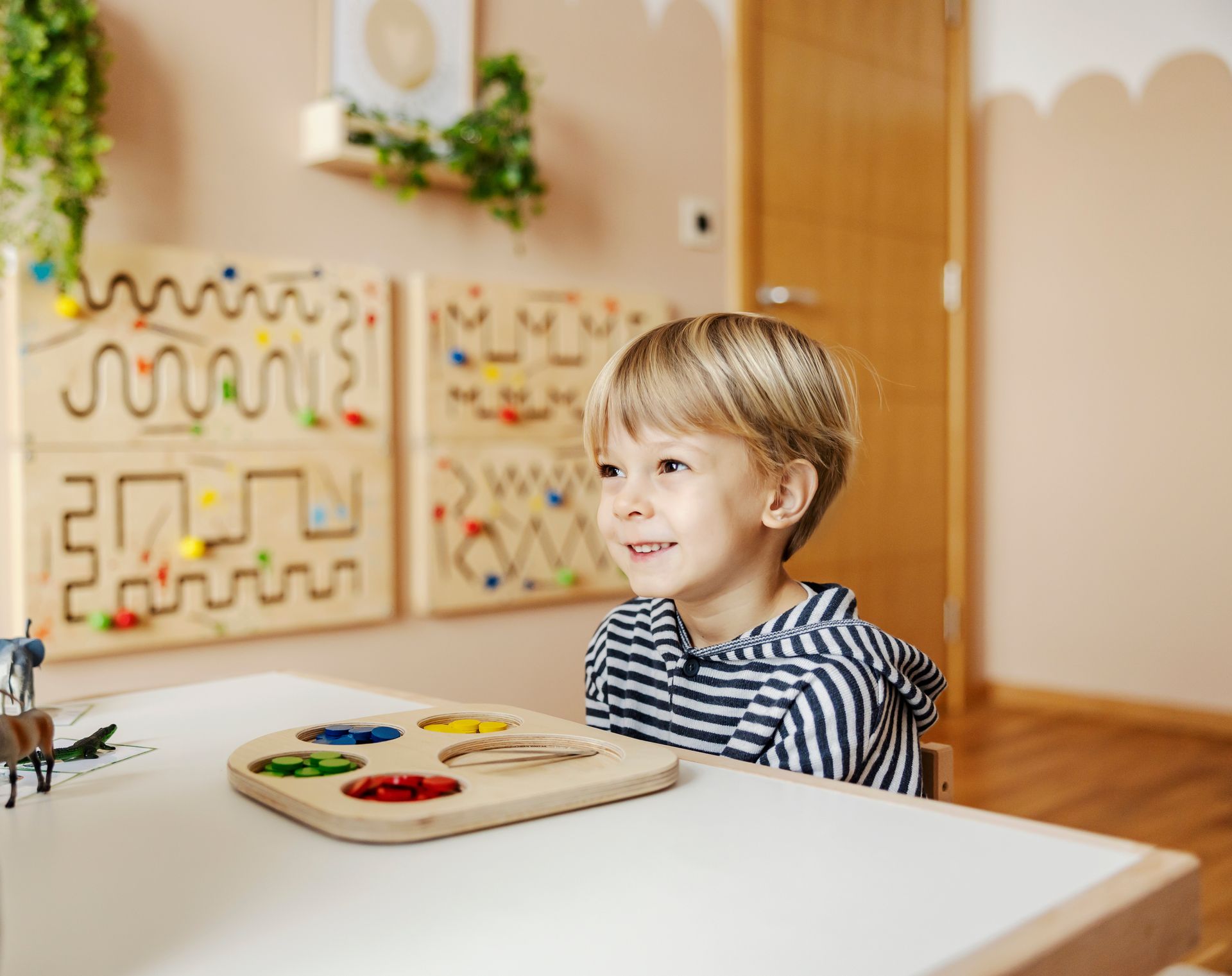
In a Montessori classroom, the child chooses their own work. A trained guide observes and offers new challenges based on what each child is ready for. This child-led model builds real curiosity rather than just the habit of following directions.
Both approaches can produce ready, capable kids. The difference is in how that readiness is built.
How Do Multi-Age Classrooms Work in a Montessori Setting?
Multi-age classrooms group children across a span of two to three years rather than by a single grade level. A three-year-old may work alongside a five-year-old in the same room.
Younger children observe and imitate older peers, often picking up skills faster than they would in a same-age group. Older children strengthen their own understanding by helping younger ones, deepening long-term retention. Children tend to adapt quickly, and many thrive with the added sense of community.
The Prepared Environment Explained
The Montessori classroom environment is not accidental. Every material, shelf, and corner is chosen with purpose.
What Makes a Montessori Classroom Different
Materials are self-correcting, meaning a child can tell on their own whether they got it right without waiting for a teacher to check. Shelves are low and open so children can independently choose and return their own work, building responsibility and focus at the same time.
Traditional preschool classrooms are typically teacher-arranged, with activities presented to the group rather than selected by the child.
Montessori vs. Local Daycares Near Elkhorn
Parents in the Elkhorn area have a range of options, from licensed daycares along West Maple Road to private preschools near 180th and Dodge. Most traditional daycares operate on a caregiver-directed model, with a set daily routine focused largely on supervision and social play.
Montessori education in Elkhorn NE operates differently. The curriculum is built around specific developmental goals in language, math, practical life skills, and sensorial learning. Children work through these areas at their own pace within a structured but flexible daily rhythm.
For families in neighborhoods like Saddle Creek, Arbor View, and Shadow Ridge, knowing the difference between a licensed daycare and a Montessori program helps match the setting to a child's learning style.
Kindergarten Readiness: What Research and Practice Suggest
Montessori education in Elkhorn NE supports strong kindergarten readiness outcomes, particularly in self-regulation, early literacy, and problem-solving. Children who complete a Montessori primary program often enter kindergarten with practical independence skills that ease the transition.
Traditional preschool also prepares children well, especially in group social skills, following routines, and structured listening. The best fit depends on the individual child.
Children who are highly self-directed, curious, and energetic may thrive especially well in Montessori. Children who benefit from clear adult direction can also do well, since Montessori classrooms still offer structure, just in a different form.
Frequently Asked Questions
Is Montessori Education a Good Fit for Every Child?
Montessori suits many children, including active, independent, sensitive, or curious kids. Those needing significant behavioral support may need a specialized program instead.
What Age Can a Child Start a Montessori Program?
Montessori programs in Elkhorn accept children from 18 months through age six. Toddler classes run to age three; primary classes continue through kindergarten.
How Is Progress Tracked Without Traditional Grades?
Teachers track growth through observation, work samples, and checklists. Parents get narrative progress reports covering social, emotional, and academic development, not letter grades.
Ready to Explore the Montessori Difference for Your Elkhorn Family?
The next step is simple: see a real Montessori classroom in person. Watching children work independently, help one another, and choose their own learning materials tends to answer more questions than any article can.
Montessori Academy of West Omaha serves Elkhorn, NE, families with a Toddler Program and a Primary Program, both built around the proven principles of Dr. Maria Montessori. Families interested in Montessori education in Elkhorn NE can learn more by visiting the Primary Programs page or the Elkhorn families page to see what a short drive from Elkhorn can offer your child.
To ask questions or schedule a visit, call (402) 884-2424 or visit the contact page. You can also find Montessori Academy of West Omaha on Google to read reviews from current and past families.